
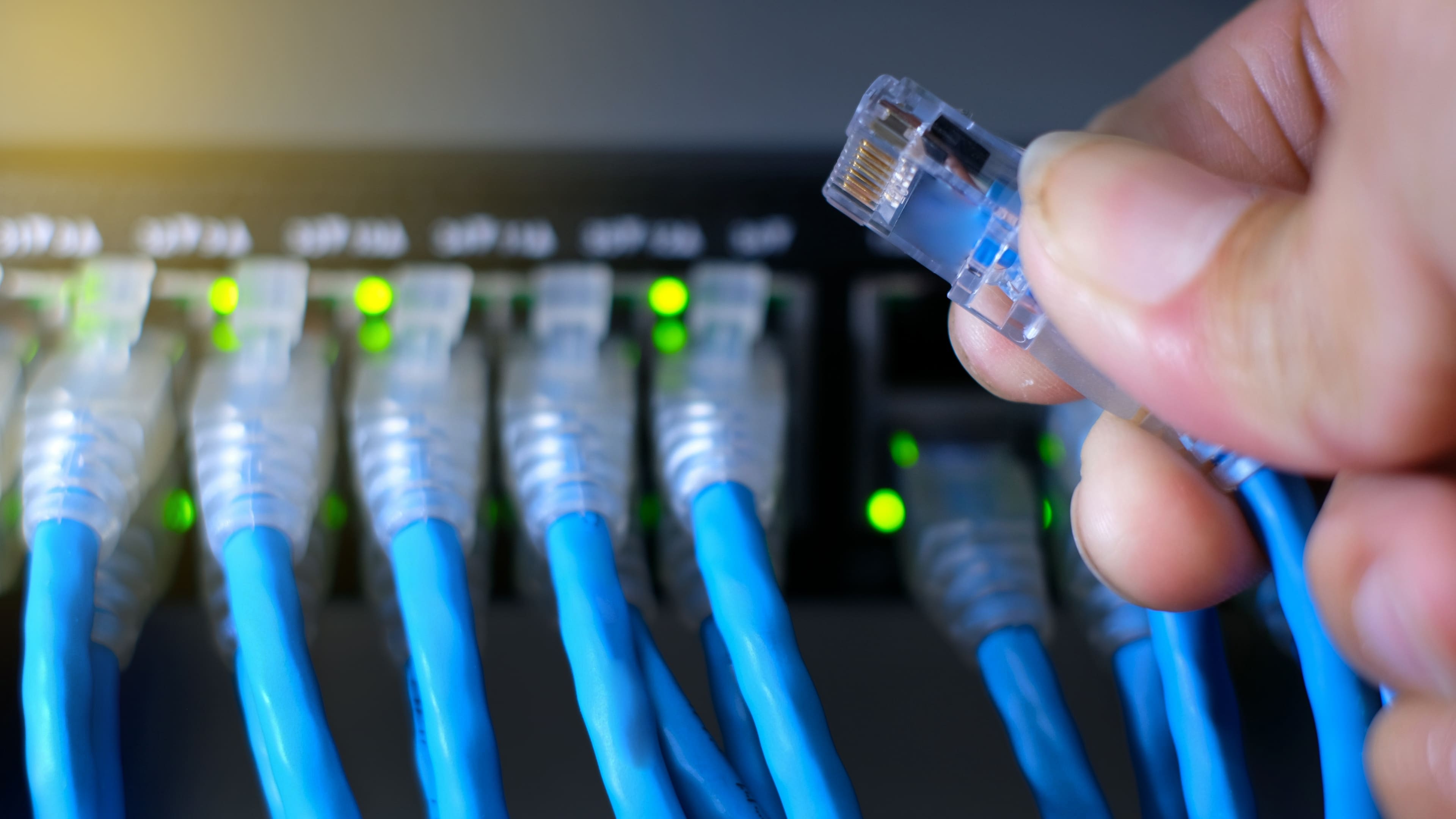
A business network can seem fine on the surface while still hiding problems that affect speed, reliability, and day-to-day operations. Slow file transfers, unstable connections, dropped calls, and inconsistent performance often build gradually, which makes them easy to overlook at first.
That is why many companies invest in network testing services in San Diego to make sure their infrastructure is performing the way it should. In many cases, regular testing is what helps businesses avoid those bigger disruptions in the first place. Let’s find out more about all this down below.
Why is network testing important?
It shows whether your infrastructure is actually delivering the performance your business needs. A network may appear to be working, but that does not always mean it is working efficiently, consistently, or reliably under real business demands.

1. It helps identify hidden performance issues
Some problems are obvious, such as a complete outage or a connection that keeps dropping. Others are harder to spot. Weak links can show up as slower speeds, high latency, intermittent disruptions, or poor call quality. Testing helps reveal these issues before they start affecting more users or more critical systems.
2. It supports reliability across daily operations
Phones, cloud applications, shared files, printers, cameras, and connected devices all depend on a stable infrastructure. If the system is not performing well, the effects can spread quickly across multiple parts of the business. Testing helps confirm that the system can support everyday operations consistently.
3. It helps verify installation quality
Testing is especially important after new cabling or hardware changes have been installed. Even well-planned upgrades should be verified to make sure every connection is performing as expected. This helps catch issues such as improper terminations, poor cable performance, or configuration problems before they lead to recurring trouble.
4. It improves troubleshooting
When problems do appear, testing gives businesses more than assumptions. It provides actual data that can help narrow down where the issue is happening and what needs attention. That makes troubleshooting faster, more accurate, and less disruptive than relying on guesswork.
5. It supports future planning
Testing helps businesses understand whether the current infrastructure can handle more devices, more users, and more demanding applications over time. That insight is valuable when planning upgrades or expansion.
How often should you test a network?
The right schedule depends on the size of the business, the complexity of the environment, and how heavily the network is used. There is no single rule that applies to every company, but many businesses benefit from treating testing as a regular part of infrastructure management rather than a one-time event.
1. After installation or major upgrades
One of the most important times to test is right after new cabling, switches, hardware, or other major changes have been installed. This confirms that the system is operating properly from the beginning and gives the business confidence that the infrastructure is ready for daily use.
2. When performance issues appear
Testing should also happen whenever the business starts noticing warning signs such as:
- Slower than normal speeds
- Dropped VoIP calls
- Unstable internet-dependent applications
- Intermittent device connectivity
- Repeated complaints from staff about performance
These problems often point to conditions that need closer evaluation.
3. As part of routine maintenance
Even if no obvious problem is showing, regular testing can still be a smart preventive step. Businesses that rely heavily on stable connectivity often benefit from periodic checks to confirm that performance remains consistent and that no hidden issues are developing.
4. Before expansion or technology changes
If a company is adding new employees, increasing connected devices, moving into a larger space, or adopting more demanding systems, testing can help determine whether the existing network is ready. This prevents businesses from building on an unstable foundation.
Why consistency matters
Waiting until there is a serious problem usually means more disruption, more frustration, and a longer recovery process. Regular testing gives businesses a chance to catch issues early, maintain performance, and make informed decisions before reliability starts slipping.
Who provides dependable network testing services in San Diego?
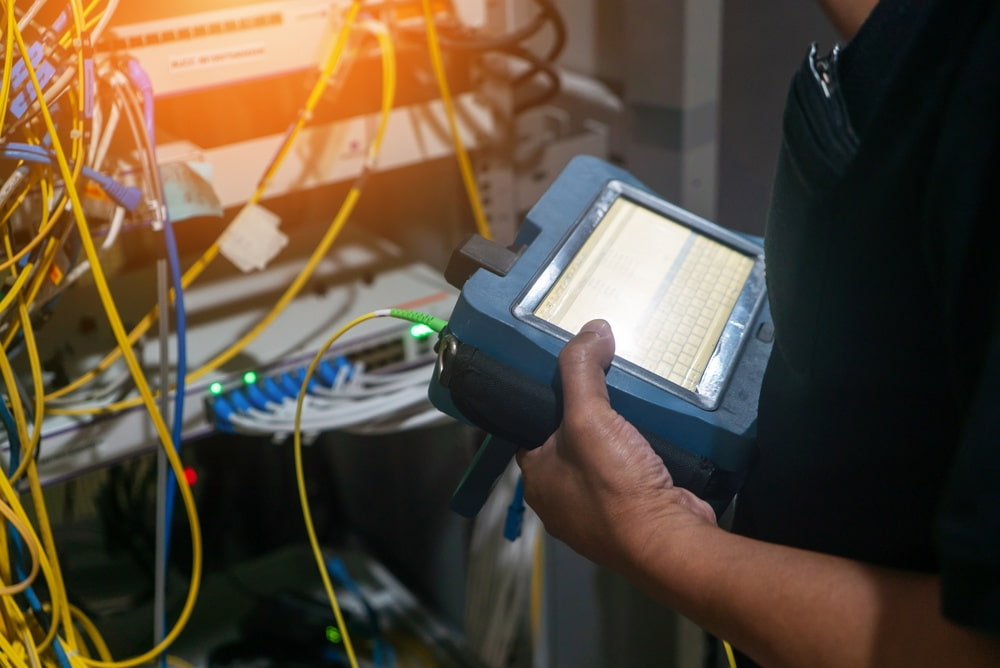
Network Cabling is here to help your business gain a clearer picture of how its network is performing. Our team provides professional testing services designed to identify issues, verify performance, and support the kind of reliable infrastructure modern businesses depend on every day. Whether you are troubleshooting a problem, validating a recent installation, or planning for future growth, we help you move forward with confidence.
Regardless of whether your office is near the San Diego Zoo or elsewhere in the area, our team is ready to deliver dependable service tailored to your operational needs. Reach out today to schedule professional testing and keep your business connectivity performing at its best.