
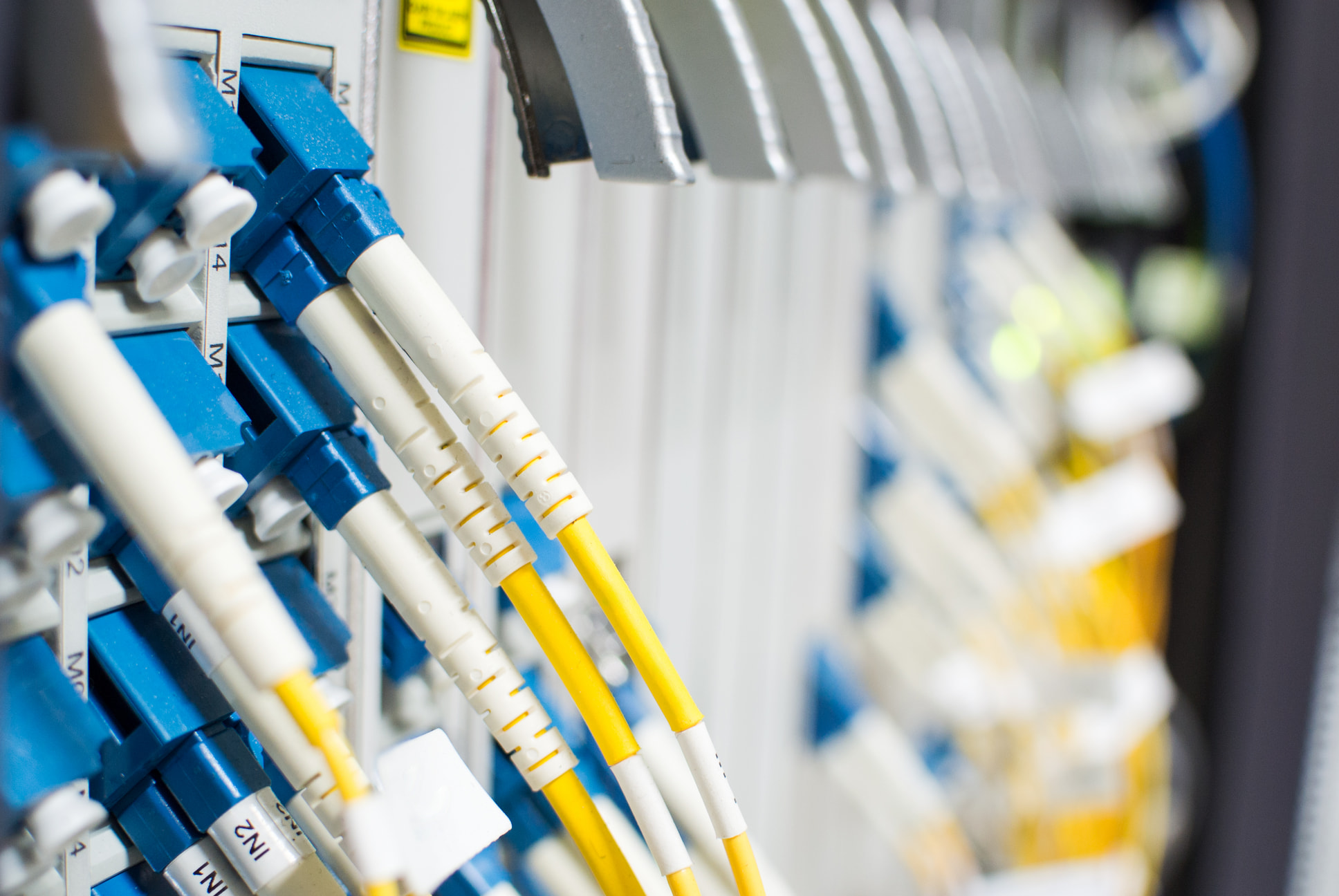
The majority of businesses use a mix of connected devices every day, from desk phones and computers to printers, security cameras, access points, and cloud-based tools. That can make the wired-versus-wireless question feel bigger than it really is.
For companies comparing data and telephone cabling in San Diego with wireless upgrades, the smartest decision starts with how the business actually works.
What type of internet connection is best for business?
It is usually the one that provides reliable speed, stable performance, and enough capacity for the team’s daily workload. For many businesses, that means using wired connections for equipment that needs consistency and wireless access for mobility.
A wired network is often a strong choice for desktop computers, VoIP phones, servers, conference room systems, point-of-sale stations, and other devices that need steady performance. Wireless is better for laptops, tablets, visitors, shared spaces, and employees who move throughout the building. One is not automatically better than the other. The right answer depends on your layout, number of users, security needs, device types, and the amount of data moving through the network.
Why wired cabling still matters
Wireless networks are convenient, but they still rely on physical infrastructure. Access points, switches, routers, and network equipment all need a dependable wired backbone to work properly. If that foundation is outdated, messy, or poorly labeled, the wireless experience can suffer too.
This is where understanding what voice and data cabling is and why your business needs it becomes useful. Cabling creates the organized pathways that allow phones, computers, internet service, and connected systems to communicate. A strong wired setup can reduce confusion, support faster troubleshooting, and make future changes easier to manage.
Wired connections are also less affected by common wireless issues such as distance, wall materials, crowded signal areas, and interference from nearby devices. That does not mean every device should be plugged in, but it does mean core systems often perform better when they are not fully dependent on wireless access.
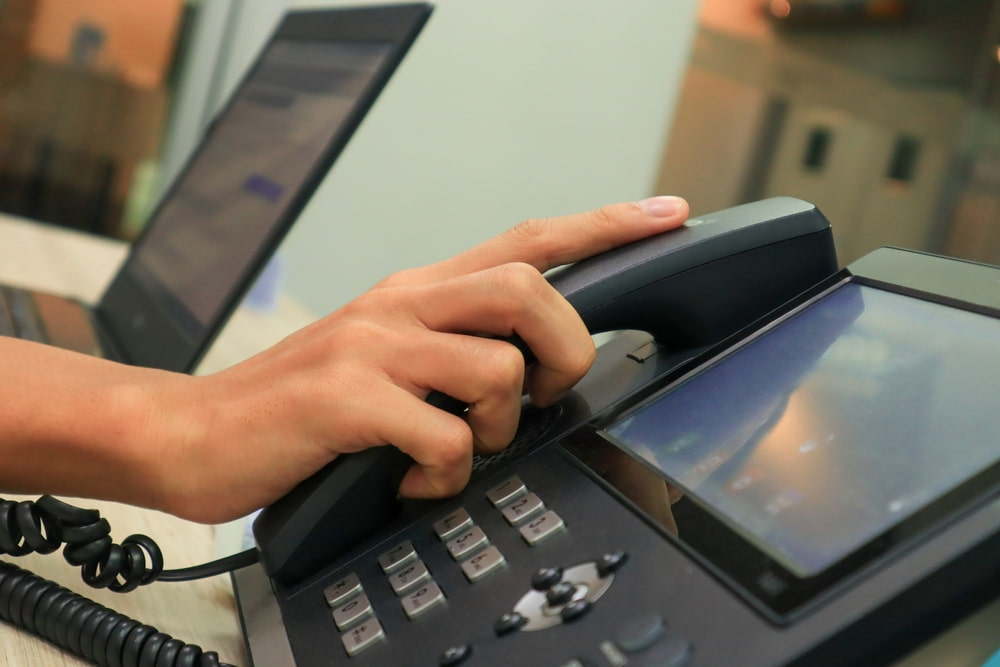
Where wireless networks make sense
Employees can move between offices, conference rooms, warehouses, showrooms, and shared work areas without needing a wall port at every stop. Guests can connect more easily, and mobile devices can stay useful throughout the building.
Wireless can be especially helpful in spaces where teams collaborate in different areas or where devices are not fixed in one place. However, performance depends heavily on planning. Access point placement, building materials, user volume, security settings, and the quality of the wired connection behind each access point all matter.
A weak wireless network is not always a wireless-only problem. Sometimes the deeper issue is old cabling, poor network design, or overloaded equipment.
Signs your business needs a cabling update
If your team deals with dropped calls, slow file transfers, inconsistent Wi-Fi, or mystery cables in the server room, it may be time to look under the surface. Older wiring can limit newer technology, especially when a business has added users, equipment, or cloud-based systems over time.
Knowing when to replace can help you avoid treating symptoms instead of the cause. A business move, remodel, staff expansion, phone system upgrade, or recurring network issue is a good reason to schedule an assessment.
Replacing or reorganizing cabling does not always mean starting from scratch. In some cases, targeted upgrades, better labeling, new terminations, or improved cable management can make the network easier to support.
How to decide between wired & wireless?
Start by listing the systems your business depends on most. If a device needs steady speed, low interruption, or direct access to network resources, a wired connection may be the better fit. If a device needs mobility, shared access, or occasional use, wireless may be more practical.
Then look at the building itself. Large spaces, thick walls, multi-floor offices, warehouses, and busy retail environments may need careful planning for both cable routes and wireless coverage.
Understanding what to expect during an installation project can also make planning easier. A good project usually includes a site review, layout planning, installation, labeling, testing, and documentation so the finished system is easier to maintain.
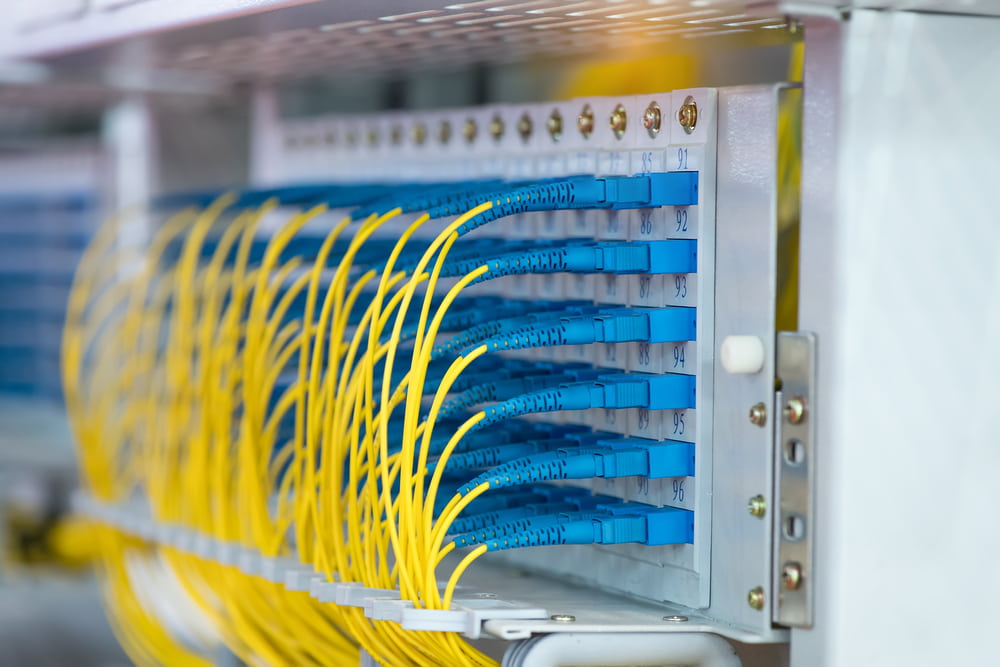
Looking for reliable data & telephone cabling in San Diego for a stronger business network?
If your wired and wireless systems are not working together smoothly, a review can help you find the weak points. The right plan should reflect your building, users, equipment, and growth goals. A practical next step is to assess current connections, identify which devices need wired support, and create a cleaner foundation for everyday communication.
Whether your office is near Balboa Park or elsewhere, Network Cabling is your proven team of experts for workplace connectivity. Reach out today, ask questions, share your doubts and plans, and let’s give your business a network boost!